Home / Song

What is Popevka

Traditional vocal heritage of northwestern Croatia. Eight-century-old voice of Međimurje, UNESCO heritage since 2018.

Međimurje folk song is a traditional song from northwestern Croatia, monophonic or polyphonic, most often a cappella, built on archaic musical structures. It consists of a verse (songand melodiesvisa) — the song is sung to a tune, thus a pop-song is created.

It is sung in the original Kajkavian dialect of Međimurje. The oldest preserved written record of the verse dates back to the 13th century (Christmas carol „Narodil nam se”). The first musical notations are from the 19th century; the first sound recordings were made in 1924, when Vinko Žganec and Milovan Gavazzi recorded 120 melodies for the Ethnographic Museum in Zagreb.

Musical characteristics

Popevka uses three main categories of tonal organization:

  • Pentatonic — the pentatonic scale, one of the most archaic foundations. Croatian ethnomusicologist Božidar Širola recognizes in it a trace of „ancient tonal conception from the Transcarpathian homeland.”.
  • Old Church modes — Dorian, Lydian, Mixolydian. The same modes in which medieval Gregorian chants are constructed.
  • Hard/soft tonality — newer layers, especially under Slovenian and Central European influence.


Rhythmic features: free rhythm rubato, declamatory Speaking, asymmetry, polymetry, syncopation, interpretative variability.

Timeline

  • 13th century — the oldest preserved verse „Narodil nam se” (Christmas carol).
  • 1203. — First written mention of Međimurje as „insula inter Muram et Dravam”.
  • 1878.–1881. Franjo Ksaver Kuhač published 4 volumes of „South Slavic Folk Songs,” including 20 melodies from Međimurje.
  • 1908. — Vinko Žganec records „Megla se kadi” — his first musical notation of the folk song.
  • 1916. — Žganec's book „Croatian Folk Songs from Međimurje” (Zagreb).
  • 1919./1920. — Žganec's Collection at the Versailles Conference as an Argument for the Croatian Character of Međimurje.
  • 1924. — Žganec and Gavazzi are recording 120 melodies for the Ethnographic Museum in Zagreb.
  • 1971. — The Međimurska Popevka Festival begins in Nedelišće.
  • 2013. — popevka inscribed in the Register of Cultural Goods of the Republic of Croatia.
  • 2018. — UNESCO Representative List of the Intangible Cultural Heritage of Humanity.
  • 2024. — Anthology of Međimurje Songs (Hranjec / Magdalenić, Matica hrvatska Čakovec).
  • 2025. — održan koncert “U počast međimurskoj popevki” u Zlatnoj dvorani bečkog Musikvereina u izvedbi Marije Vidović i Dubrovačkog simfonijskog orkestra
  • 2026. — otvoren interpretacijski centar Palača Međimurske popevke 
Performers

Who sings popevka today?

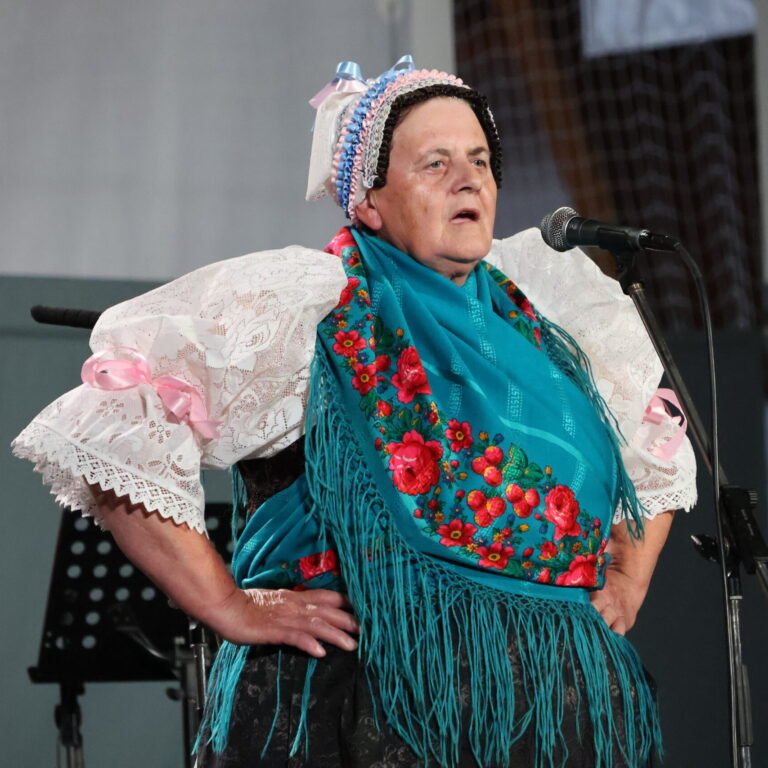
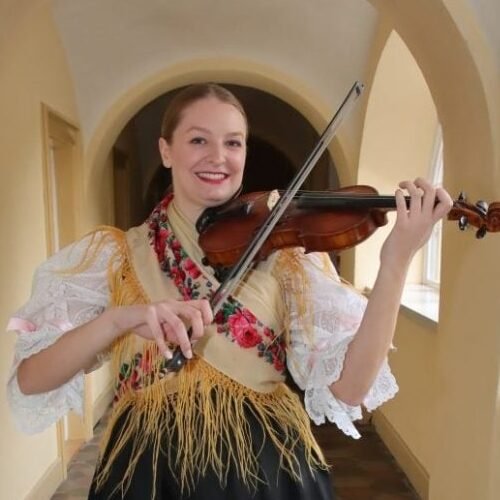
Neki od 50-ak aktivnih čuvara i  suvremenih interpretatora popevke: 

Cecilija Merkač Hudopisk

chanteuse, Domašinec

Saša Štefić Sale

Donja Dubrava- čuvar popevke

Marija Vidovic

contemporary interpretation

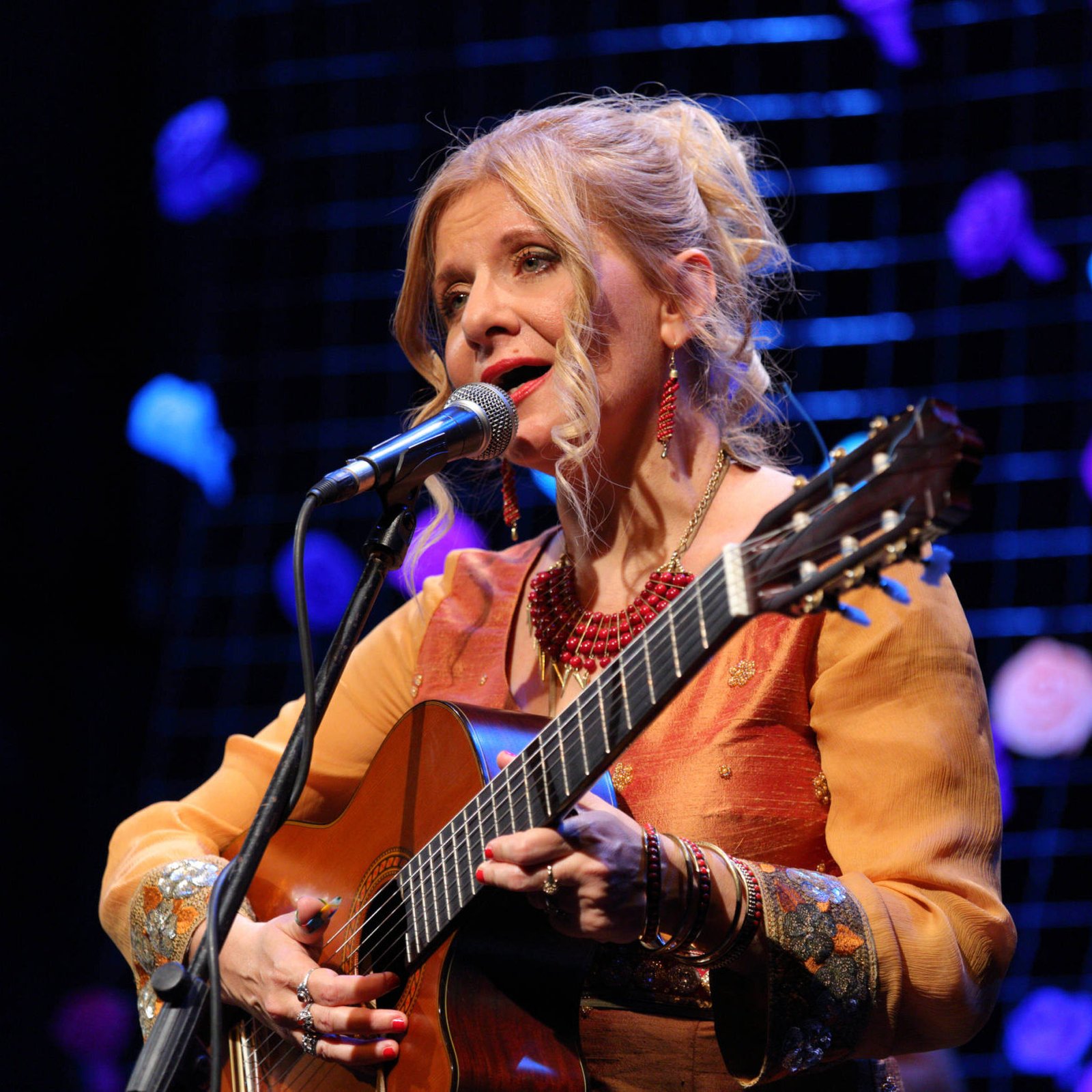
Lidija Bajuk

singer, ethnologist, author

Patricija Juračić

čuvarica popevke

Dunja Knebl

Dunja Knebl

contemporary interpretation

Mirko Švenda Žiga

contemporary interpretation

Anita Huđek

čuvarica popevke, Varaždin

Nada Žvorc

čuvarica popevke, Nedelišće

L1010535

Filip Bogdan

čuvar popevke, Štrigova

Etno garden

contemporary interpretation

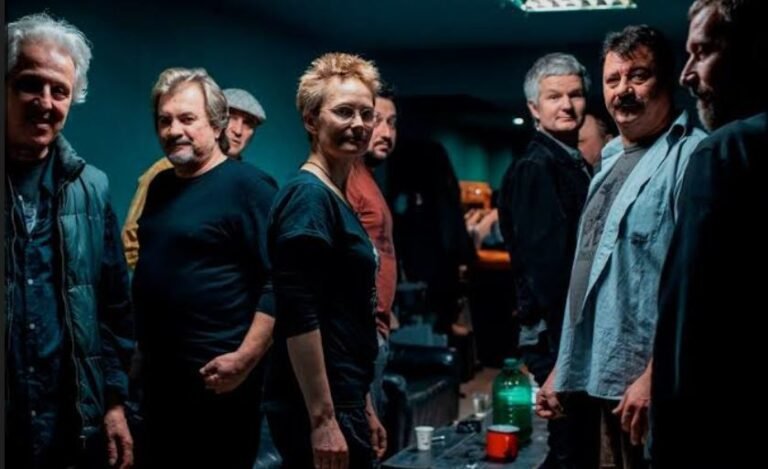
Scifidelity Orchestra

contemporary interpretation

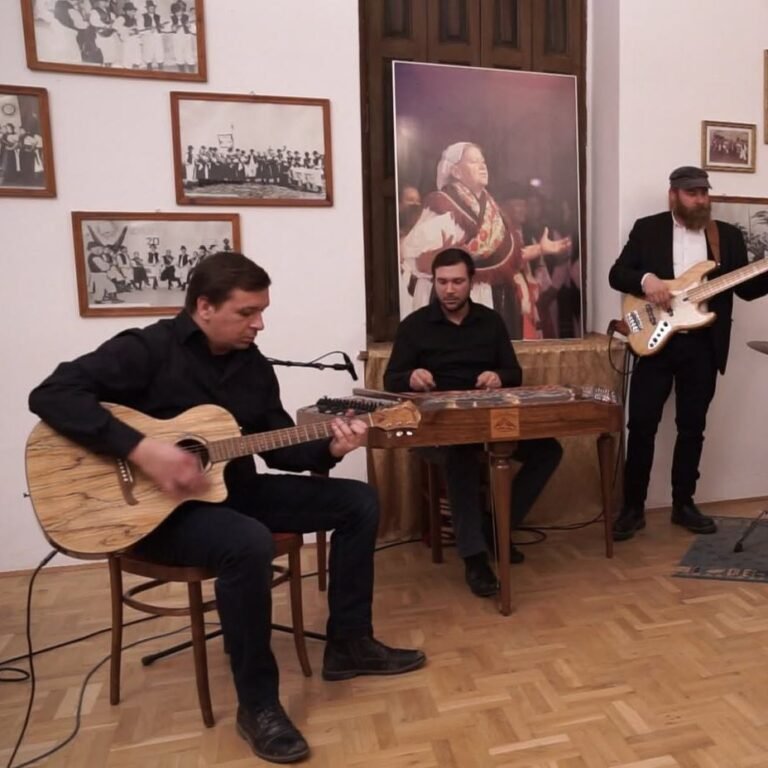
Cinkuši

contemporary interpretation

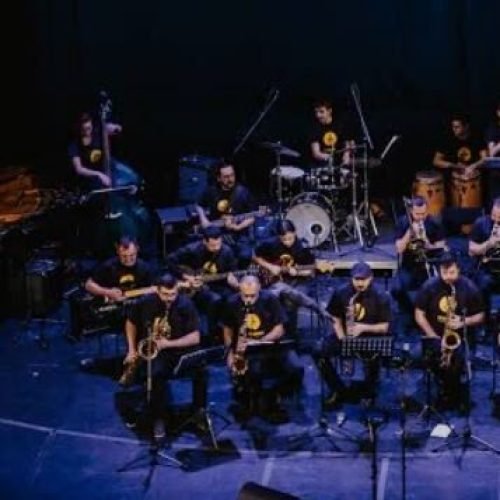
Big Band Čakovec

Big Band Čakovec

contemporary interpretation

UNESCO

UNESCO Representative List of the Intangible Cultural Heritage of Humanity

The Međimurska popevka was inscribed on November 28, 2018, at the 13th session of the UNESCO Intergovernmental Committee, held in Port Louis, Republic of Mauritius. The nomination file carries the number 01396, the UNESCO decision is 13.COM 10.b.9.

Expert team that prepared the nomination documentation from the Institute of Ethnology and Folklore Research, Zagreb: Dr. Sci. Lidija BajukDr. Sci. Naila Ceribašić (science advisor), Dr. Tvrtko Zebec (scientific advisor). During the preparation of the nomination, there was collected 73 written grants communities — of folk dance ensembles, individual singers and institutions.

At the time of enrollment, it was identified approximately 50 recognized master translators classical way of performing the song. UNESCO classification domains: „Oral traditions and expressions” and „Performing arts”.

Discover the song firsthand.

The exhibition "Palace at the Crossroads" guides you through an eight-century story, from the oldest verses to today's performances.